Green tea from Japan
Gyokuro
Gyokuro, the highest quality tea from Japan, is carefully produced. The tea bushes are shaded for up to 6 weeks in order to develop fewer tannins and bitter substances. This leads to a high chlorophyll content in the leaves, which influences the taste of the tea. Only the most tender leaves are then used for the Gyokuro.
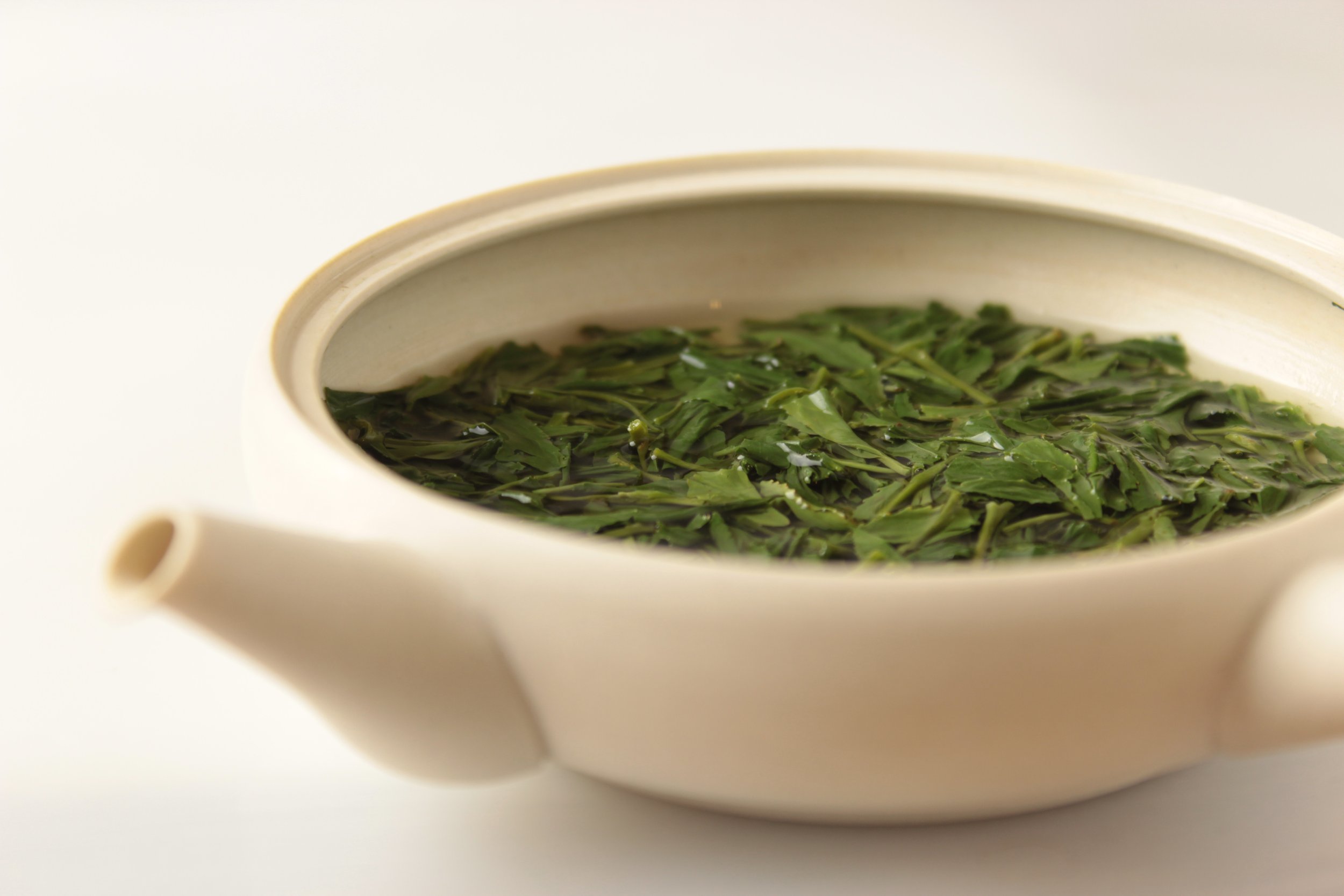
This outstanding Gyokuro from the Uji region is probably one of the most exciting shade teas we have had the pleasure of selling to date.
It impresses with its typical Japanese seaweed umami profile, creamy in infusion and strong/cloudy green in color. It also does not develop any bitter notes, even when enjoyed chilled. The tea bushes are deprived of sunlight for several weeks. This allows it to develop its outstanding aroma.
This tea is infused with water heated to 60°C. It is also ideal for cold infusions in a matching Shiboridashi or Kyusu.
From organic cultivation
Unit: 100gr. Vacuum packaging
Character: sweet, algae, umami, creamy, fine
Region: Uji, Kyōto Prefecture, Japan
Certified organic: CH-BIO-006

Our farmer from Nara, Kyoto has been supplying us with the highest quality Gyokuros for years.
Made from the Yabukita cultivar, these teas are characterized by their sweet and authentically intense aroma.
They can be infused both hot and cold and are therefore an ideal companion for warm summer days.
This tea was harvested from our three Gyokuros from Nara one week after Gyokuro 2.

This Kabusecha is a stroke of luck from Japan. Kabusechas are semi-shade teas. This great tea impresses with its algae-like character, but is somewhat more restrained and finer in the cup. The shaded green teas from Japan are characterized by their particularly pleasant sweetness.
This Kabusecha is suitable for tea connoisseurs as well as for beginners in the tea world.
Infused cold and warm, it unfolds its multi-layered aromas.
From organic cultivation
Unit: 100gr. vacuum pack
Character: algaey, creamy, fine, sweet
Region: Uji, Kyōto Prefecture, Japan
Certified organic: CH-BIO-006

Our Gyokuro from Miyazaki is organically grown and obtained from the Yutakamidori cultivar.
The local farmer produces small quantities and supplies us with excellent teas every year.
This tea can be enjoyed both hot and cold.
Pleasantly sweet, long-lasting on the palate.
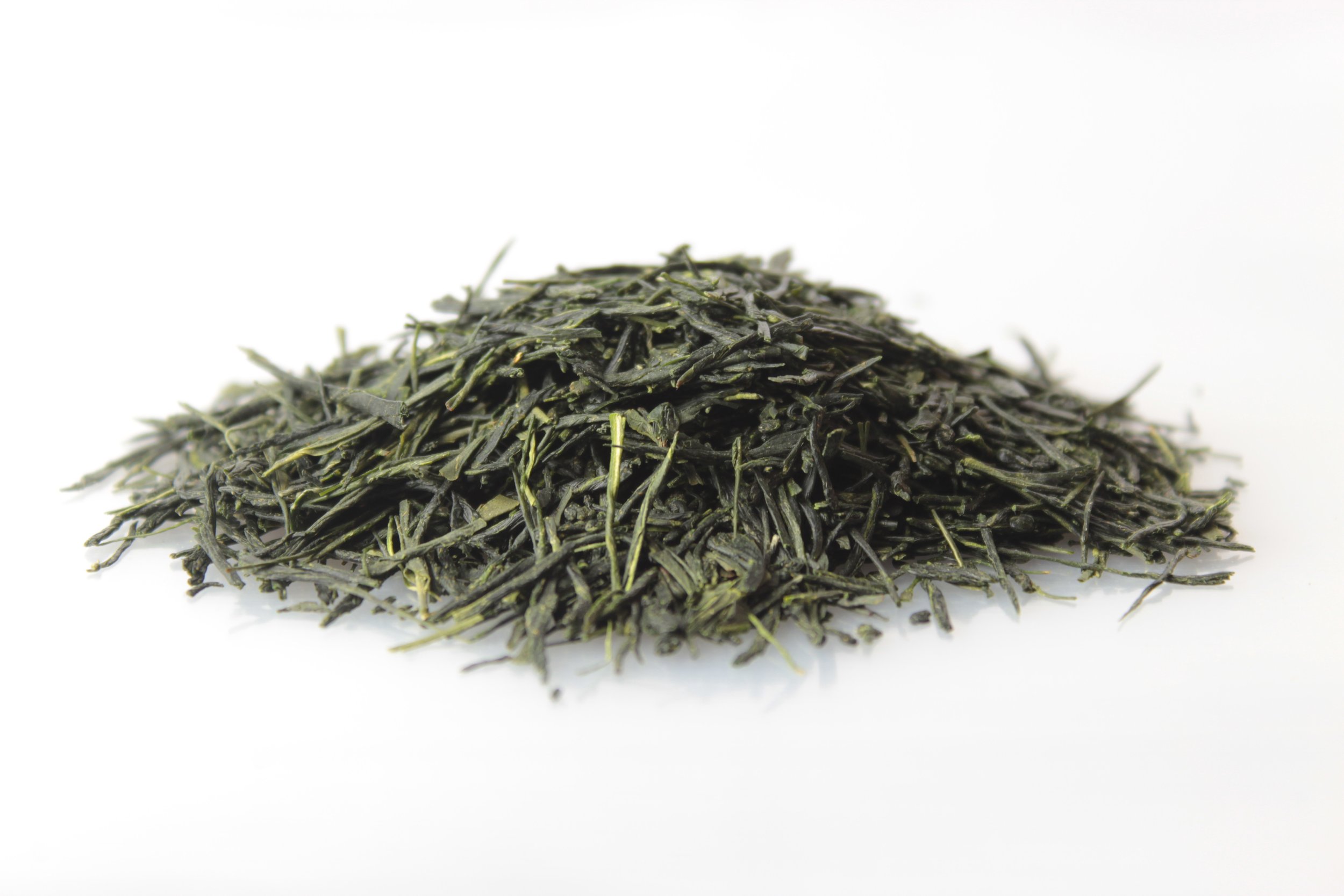
Our farmer from Nara, Kyoto has been supplying us with the highest quality Gyokuros for years.
Made from the Yabukita cultivar, these teas are characterized by their sweet and authentically intense aroma.
They can be infused both hot and cold and are therefore an ideal companion for warm summer days.
This tea was the earliest harvested of our three Gyokuros from Nara.

Our farmer from Nara, Kyoto has been supplying us with the highest quality Gyokuros for years.
Made from the Yabukita cultivar, these teas are characterized by their sweet and authentically intense aroma.
They can be infused both hot and cold and are therefore an ideal companion for warm summer days.
This tea was harvested 6 days later than Gyokuro 1 from our three Gyokuros from Nara.
Shincha
Shincha literally means "new tea" and is the first tea of the year from Japan, regardless of the flavor and cultivar. The first shoots are plucked and steamed.
This tea is harvested in spring and arrives by air freight in early summer. Whether brewed warm or cold, it is a real treat.

One of our latest shinchas from the 2024 spring harvest impresses us with its refreshing notes.
Carefully picked in Kagoshima, only the first shoots are harvested and gently processed.
This tea is not only suitable for hot consumption at 60 degrees Celsius, but should also definitely be tried as a cold brew.
Packaging unit: 100g vacuum bag
Organic certification: CH-BIO-006
One of this year's shinchas from Japan. Outstandingly full-bodied with a creamy infusion.
Packaging unit: 100g vacuum bag
Organic certification: CH-BIO-006

This green tea from Uji comes from the first plucking of 2023.
Visually, the dry leaf is reminiscent of rich seaweed green. Carefully picked and carefully processed, even the leaf has a pleasantly algae-sweet and rich note, which gives a foretaste of what awaits you after infusion.
When infused, it fills the room around it with creamy green notes. The infusion itself has a cloudy, dark green color.
The first drop is already convincing and reveals its full aroma. Algaey, creamy, plenty of umami and the typical Japanese note invite you to drink more.
A successful shincha.
Our tip: Infused cold and steeped overnight, this tea is refreshing on hot summer days.
1 package à 100g

The first Shincha 2025 from Koyo Miyazaki.
The young, freshly harvested shoots of the Saemidori cultivar taste intensely aromatic and have a sweet umami note. It is palatable and surprises many a tea lover with its pronounced nutty note.
1 package à 100g

Our Shincha Saeakari from Shizuoka is another first harvest of the year 2025.
It has a fine, sweet and flowery taste and impresses with its freshness. With its less intrusive nature, this tea invites you to enjoy a quiet tea time and can also win over Shincha newcomers.
1 package à 100g
Sencha
Sencha literally means "steamed tea" and is probably one of Japan's best-known representatives. It is characterized by its mostly grassy, algae-like note and its mature umami. Bright green in infusion and high in caffeine and L-theanine, it is also a pleasure to drink in the morning.

A masterful Sencha from Uji, fine and delicate, yet clear and honest, this tea presents itself with its bright green infusion.
This sencha was produced using a longer steaming process (fukamushi), which is why the leaves are more broken. The aroma is strong and very hearty.
A recommendation for sencha lovers who prefer a creamy, sweet cup.
Image may differ from the sheet.

Sencha Superior is grown in Shizuoka.
It is our best-selling Japanese tea and not only impresses with its intense aroma, but is also an exciting tea in terms of price.
Produced using a short steaming process (asamushi), this tea has a large leaf structure.
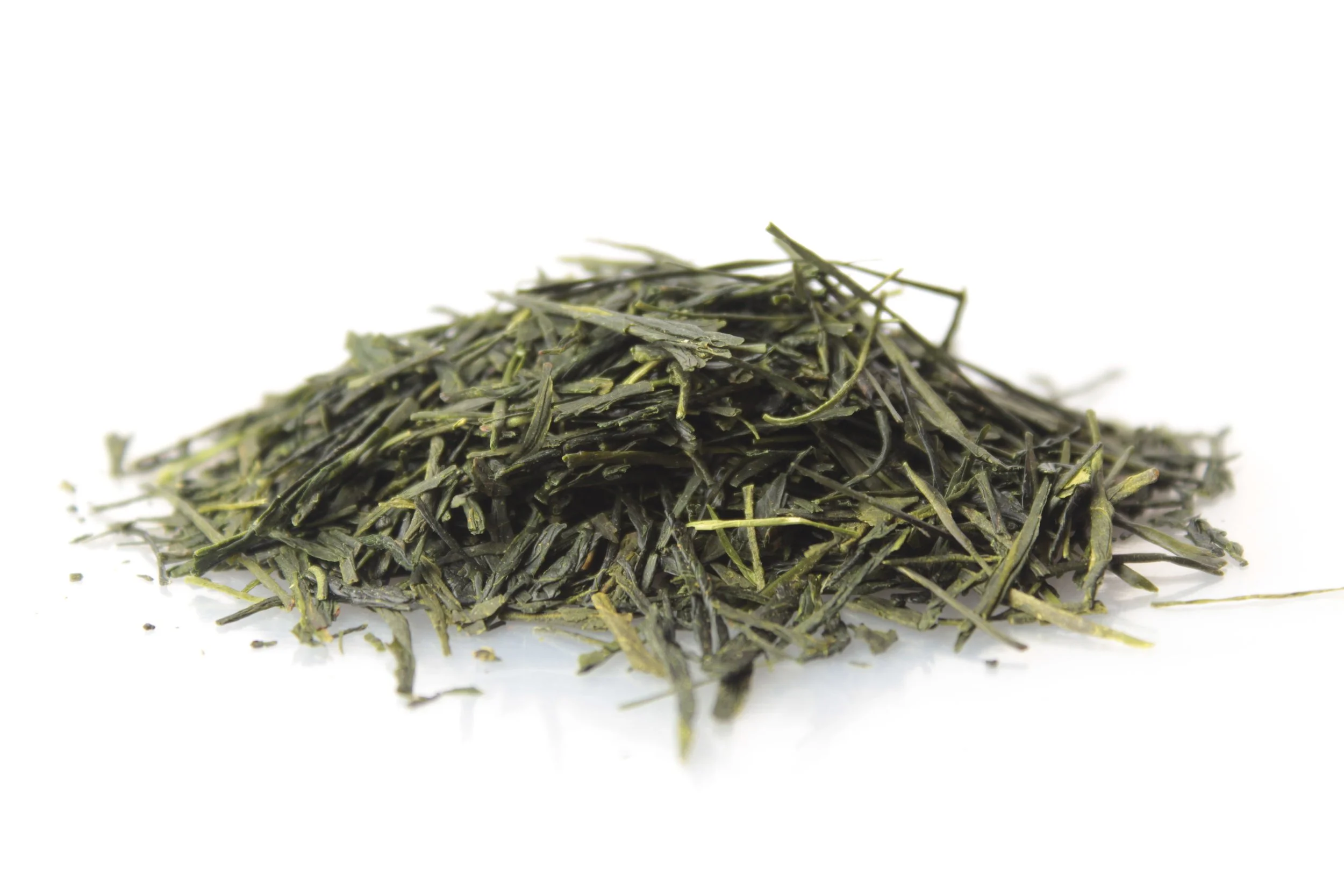
A Sencha from Miyazaki, organically grown.
Yellow-greenish in the cup and very sweet, this tea spreads all over the tongue.
A well-balanced aromatic Sencha.
Produced using a short steaming process (asamushi).
CH-BIO-006

Originating from Kagoshima, this Sencha is aromatic and sweet.
Uncomplicated yet exciting to discover.
An ideal tea for beginners to Japan.
Bancha
Older, larger leaves are used for bancha. These usually contain less caffeine, but all the more iron, which is also noticeably present in the infusion. Ideal for caffeine-sensitive tea drinkers or for later in the afternoon.
From mineral to algae and floral, the Bancha is convincing.

Dark green smaller leaves than normal Bancha.
Sweetish taste.
Character: Refreshing, Sweetish
Origin: Kagoshima, Japan.
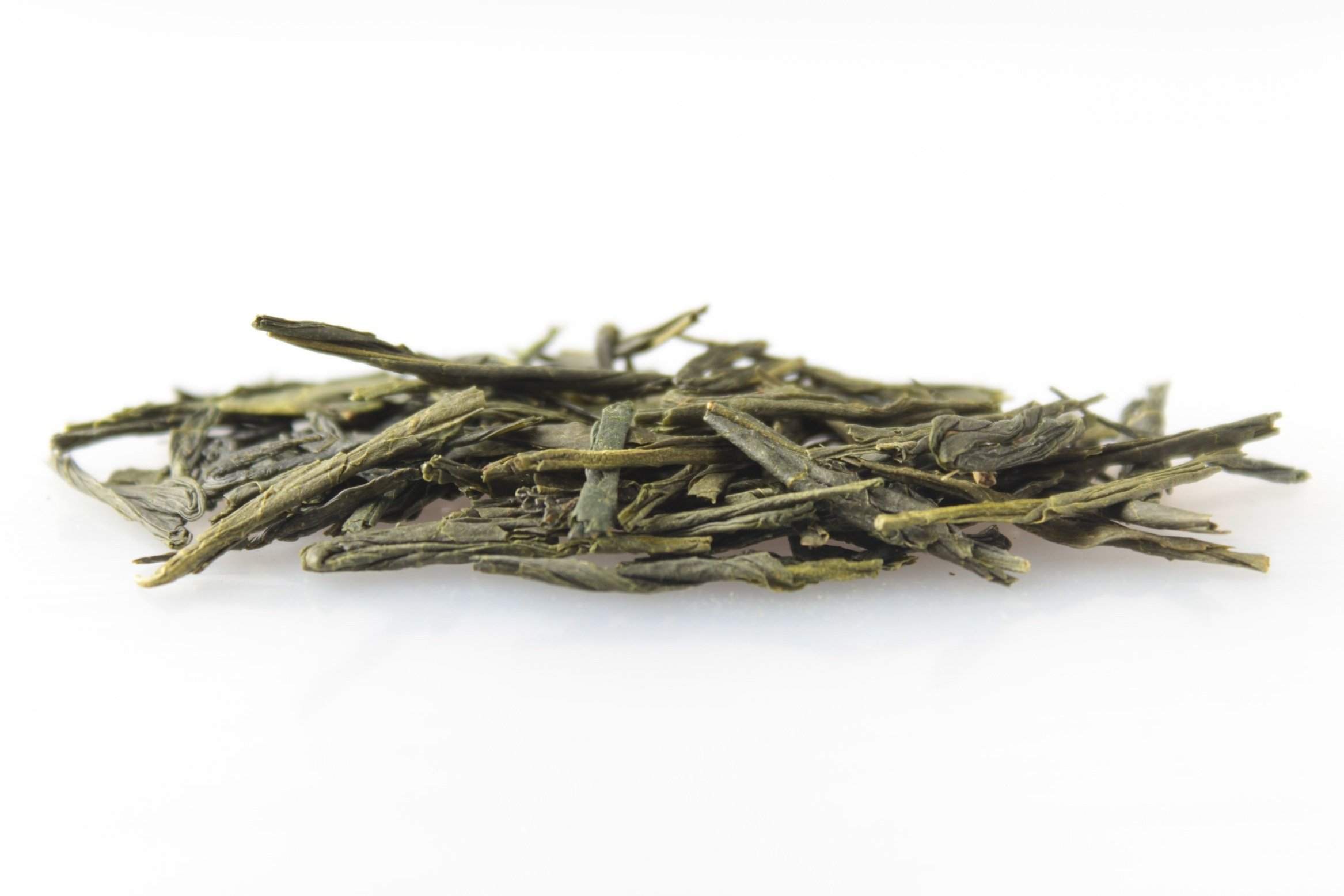
Bancha translates as ordinary tea and is the later harvest of the Sencha tea trees. The harvest takes place at the end of summer or beginning of August. Due to the late harvest, Bancha has less caffeine and a little more iron, which contributes to a slightly metallic taste. The leaves are somewhat coarser and do not shine as brightly as is usual with senchas. Like the majority of Japanese green teas, bancha is steamed.
Bancha is a vegetable, smooth green tea with light metallic notes. Also great for evenings as they have less caffeine.
Tamaryokucha
Tamaryokucha, also known as guricha, literally translated as green gemstone tea, is typically steamed.
Unlike sencha, the leaves are not rolled into needles after steaming but curled.
The aromas are intensely grassy to nutty.
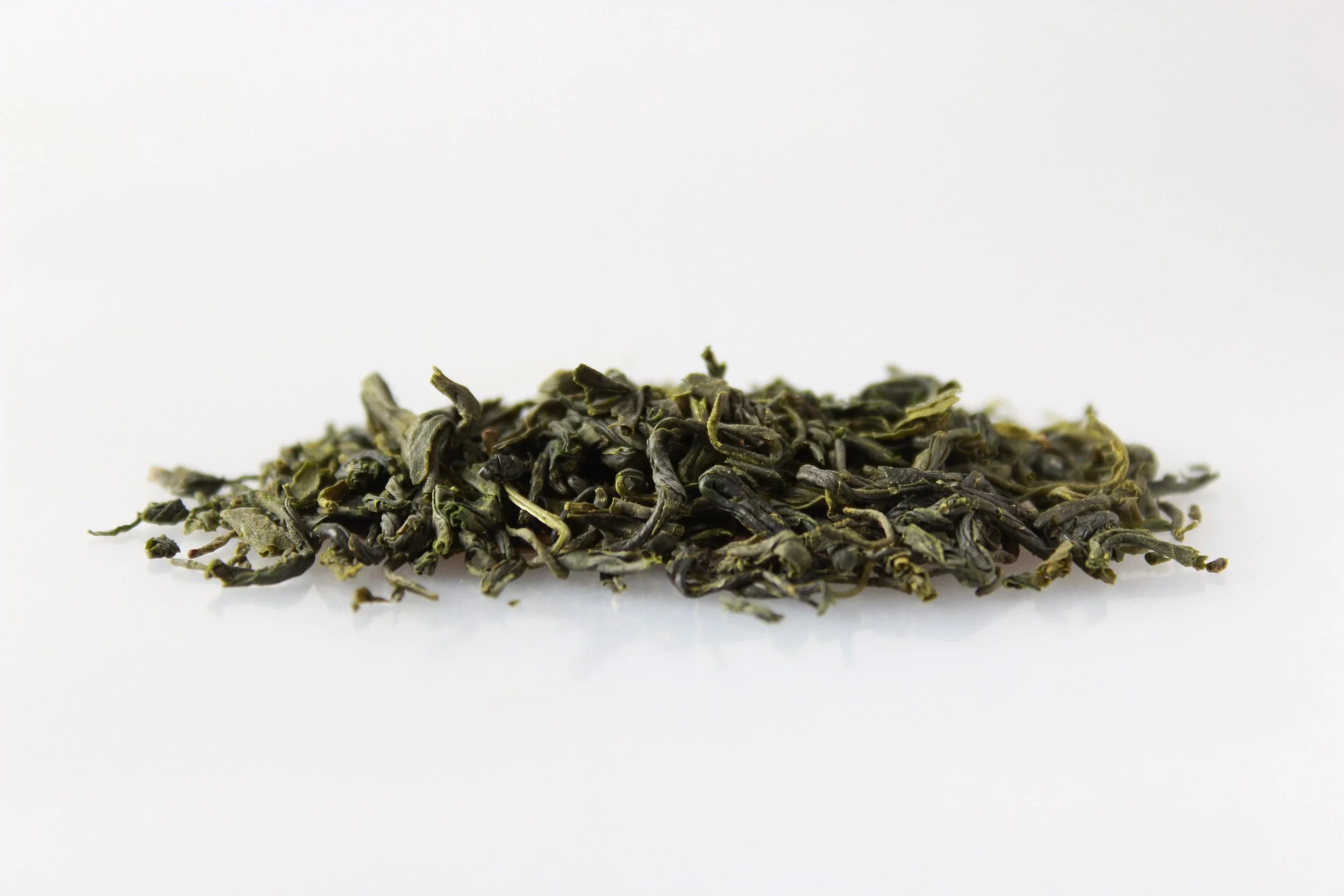
With this tea, the leaves are not pressed flat as is usual with Senchas, but are steamed, rolled and dried after plucking.
The infusion is nutty and smooth with a clear green color.
Kukicha
Kukicha translates as stem tea. The name says it all and so Kukicha is made almost exclusively from leaf ribs and stems. It has little caffeine and is therefore also suitable for stylish evenings.
Soft, slightly grassy with a hint of rice and bread.

Softer than Sencha. Processed with leaf veins.
Character: Light, sweetish.
Origin: Kirishima, Japan.
Hojicha
Hojicha is a roasted bancha that is low in caffeine and can therefore also be enjoyed in the evening.
In Japan, it is drunk by young and old alike and is said to be soothing and gentle on the stomach.
Pleasant notes ranging from nut to cocoa characterize this highly aromatic tea.

Roasted Bancha. The oven roasted leaves give this tea an earthy, nutty flavor.
Character: roasted aroma, nutty.
Japanese specialties
Japanese green teas serve as the basis here, which are given a completely new taste profile by adding natural additives such as rice or yuzu. Try these blends as a cold infusion in summer!

A kukicha with pieces of yuzu (Japanese lemon). The infusion is mild and sweet with a subtle citrus note. Yuzu Green is very refreshing as a cold brew.
Character: Fresh, lemony, sweetish
Origin: Shizuoka, Japan

Sakura Green Bliss is a Sencha with Japanese cherry blossoms. It beguiles with its delicate sakura note and is soft-sweet on the tongue.
Character: Sweetish, fine-floral
Origin: Shizuoka, Japan

A Japanese speciality: Sencha tea mixed with puffed rice.
Character: Roasted taste.
Origin: Shizuoka, Japan.